What Happens in Group Therapy for Addiction? (And Do I Have to Talk?)
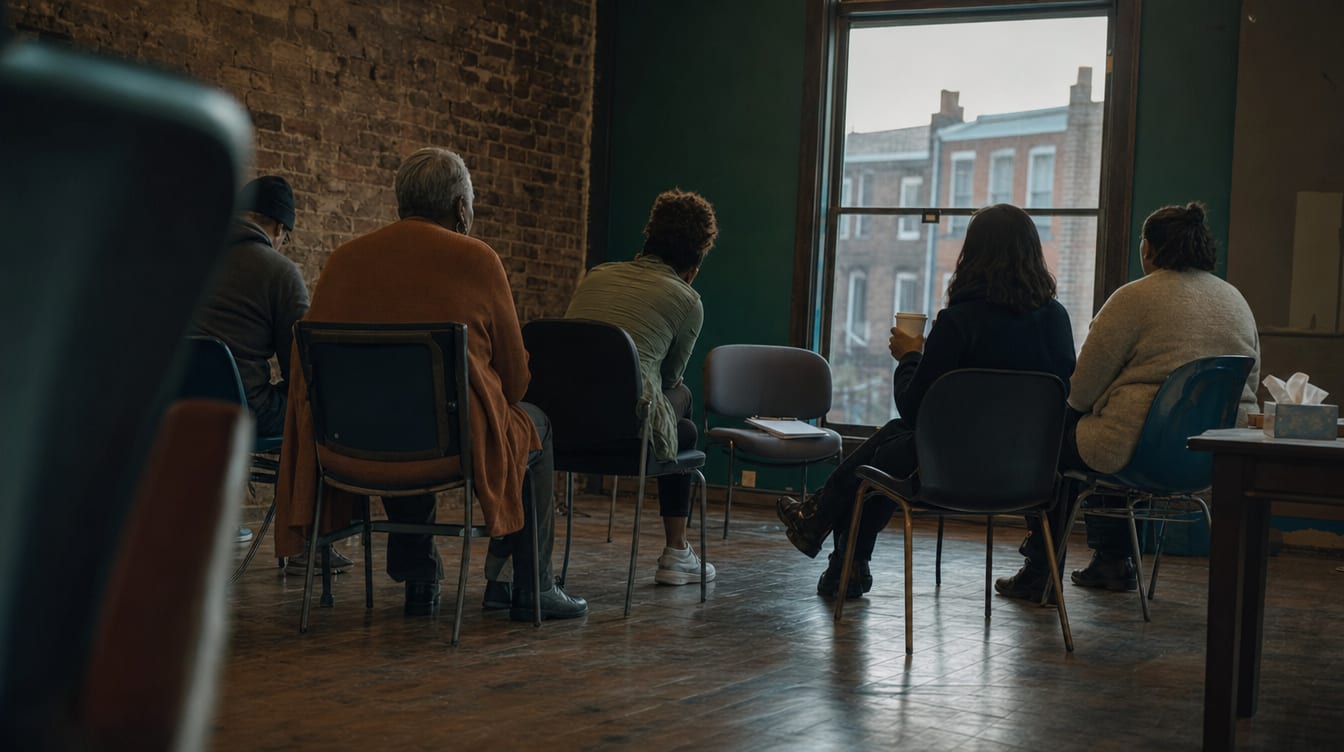
If someone told you group therapy is part of treatment, I'd bet your stomach dropped a little. A room full of strangers. Everybody looking at you. Somebody asking you to tell your whole story out loud. That's the picture most people have in their heads, and it keeps a lot of people from picking up the phone.
So here's what group is really like, the way I'd explain it if you called us.
What actually happens in group therapy for addiction?
A small group of people working on the same thing sits down with a counselor and talks through real life: cravings, stress, family, sleep, the hard days and the decent ones.
At Walkway to Healing, our groups are led by our counselors. It isn't a free-for-all, and it isn't a lecture either. The counselor keeps things on track, makes sure one person doesn't take over the room, and brings a topic when the group needs one. Some days that topic is a skill, like what to do when a craving hits. Other days it's whatever people walked in carrying.
Group therapy is part of every level of care we offer: Level 1 Outpatient, Intensive Outpatient (IOP) and Partial Hospitalization (PHP). The more intensive the program, the more group time you'll have in your week.
Do I have to talk in group therapy?
No. Not on day one, and not until you're ready.
It's completely normal to spend your first group mostly listening. A lot of groups start with a quick check-in around the room, and you can keep yours to your first name and "I'm here." You can pass. Nobody is going to make you tell your story before you want to.
What tends to happen is that somebody across the room says something that sounds exactly like what's been going on in your own head, and it hits you that you're not the only one. That's usually when people start talking, on their own, because the room feels a little less scary.
What do you talk about in group?
Mostly the stuff that makes recovery hard in real life. Things like:
- Spotting your triggers: the people, places, moods and times of day that pull you back toward using
- What to do when a craving hits, and how to ride it out
- Handling stress, anger, grief and boredom without drinking or using
- Rebuilding trust with family, and setting boundaries with people who aren't good for you
- Relapse prevention, which is basically a plan for the risky moments before they show up
- Getting through regular life: work, money worries, holidays, bad news
Our team is trauma-informed, and plenty of people carry heavy history. You don't have to dig into any of it in front of a group. Some things belong in one-on-one counseling, and you'll have individual sessions alongside group for exactly that.
Is what I say in group kept private?
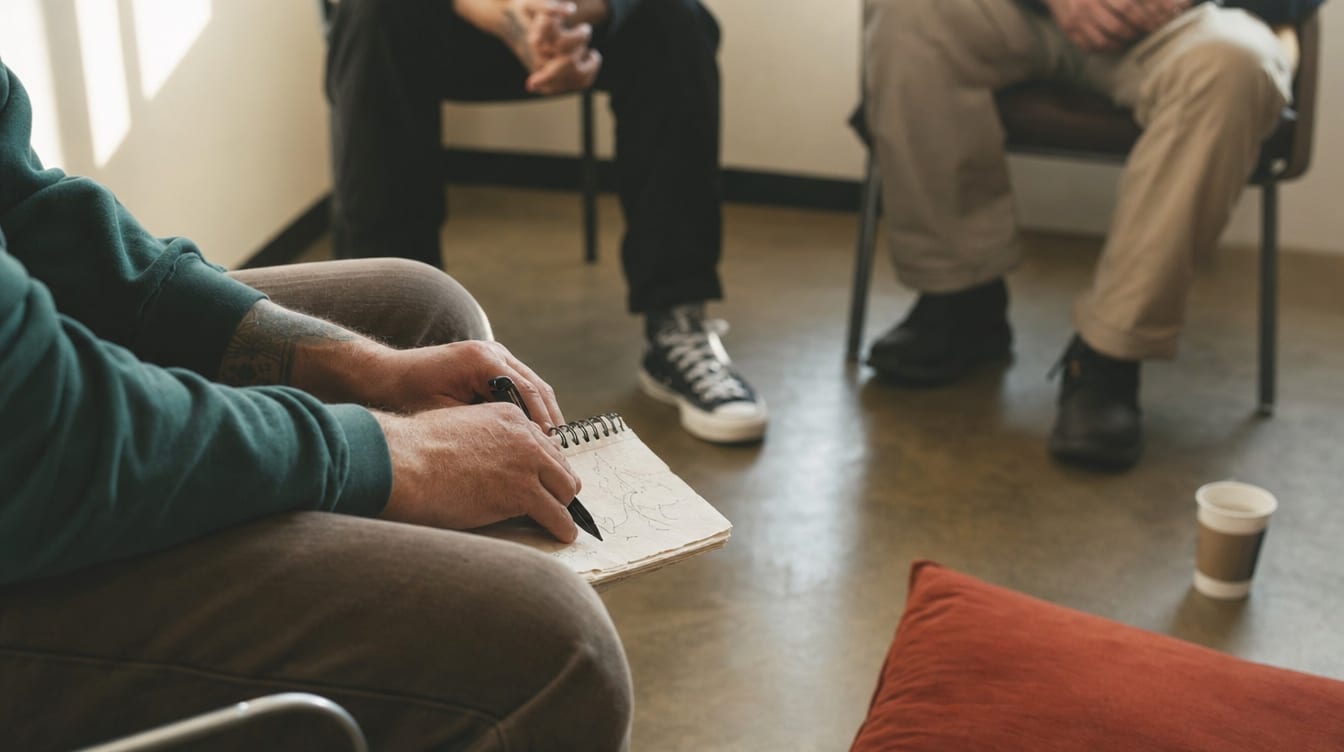
Every group runs on ground rules, and privacy is the big one. What people share in the room stays in the room. You don't repeat names, and you don't repeat stories.
The other rules are pretty simple. One person talks at a time. No cross-talk, no trying to fix each other, no judging. You can disagree with somebody without tearing them down. If someone is having a rough day, people slow down and listen.
If you're worried you'll see someone you know, say so before your first group. That's a real concern in a city like Baltimore, where everybody seems to know somebody, and it's worth talking through with your counselor ahead of time.
Why group instead of just one-on-one counseling?
Because some things land differently when they come from someone who's been there.
A counselor can tell you cravings pass. When someone in the same room, fighting the same fight, tells you the same thing, it hits different. Group gives you that. It also gives you practice. Saying "I'm not doing great today" out loud to a room full of people is a skill, and it's the same skill you'll need with your family, your friends, and maybe your boss someday.
Early recovery can also be lonely, and people don't talk about that much. The old friends were often tied to using, and the new ones don't exist yet. Group is often the first place people meet others who are trying to stay on the same road.
And some of the people on our team are in recovery themselves. The person in the room with you may know a little of what you're feeling.
What if I don't like my first group?
Give it a few tries. First groups are awkward for almost everybody. You don't know anyone, you don't know the rhythm yet, and you're sizing up the room as much as it's sizing up you.
If something really isn't working, tell your counselor. Maybe a topic hit too close. Maybe someone's energy rubs you the wrong way. That's real, and it's worth saying out loud so we can work with it. You won't be in trouble for being honest.
What should I bring to my first group?
Just yourself, really. Some people like a small notebook to jot down something that stuck with them. Try to come a few minutes early so you're not walking into a room that's already started. Wear whatever's comfortable.
And if you're nervous, say it. "I'm nervous, this is my first one" is about the most normal sentence anyone can say in a group, and people tend to go a little easier on you for it.
How do I start group therapy in Baltimore?
Start with a conversation. You can start your intake online or call us at (410) 934-7976. A real person answers, 24/7. From there you'll sit down with one of our counselors for an assessment, and together you'll figure out which level of care fits your life right now.
We're at 1200 Light St in South Baltimore, and we accept Maryland Medicaid. We check your coverage before your first visit, and you can verify your insurance here if you'd like to get that out of the way first.
Still deciding between programs? Our guide to IOP vs. PHP vs. Outpatient walks through the differences. And if you want to know what the very first appointment looks like, read what to expect at your first outpatient visit.
This article is general information and isn't a substitute for advice from a licensed clinician.
Frequently Asked Questions
- What happens in group therapy for addiction?
- A small group of people working on recovery meets with a counselor and talks through real life: cravings, triggers, stress, family and relapse prevention. At Walkway to Healing, groups are led by our counselors and are part of Level 1 Outpatient, IOP and PHP.
- Do I have to talk in group therapy?
- No. You can listen for as long as you need to, and you can pass during check-ins. Most people start talking once they hear someone describe something they have been going through themselves.
- Is group therapy confidential?
- Every group runs on ground rules, and privacy is the big one: what people share in the room stays in the room, including names and stories. If you are worried about seeing someone you know, talk it through with your counselor before your first group.
- Does Maryland Medicaid cover group therapy for substance use?
- Walkway to Healing accepts Maryland Medicaid and checks your coverage before your first visit. You can start by verifying your insurance online or starting your intake.
Ready to take the next step?